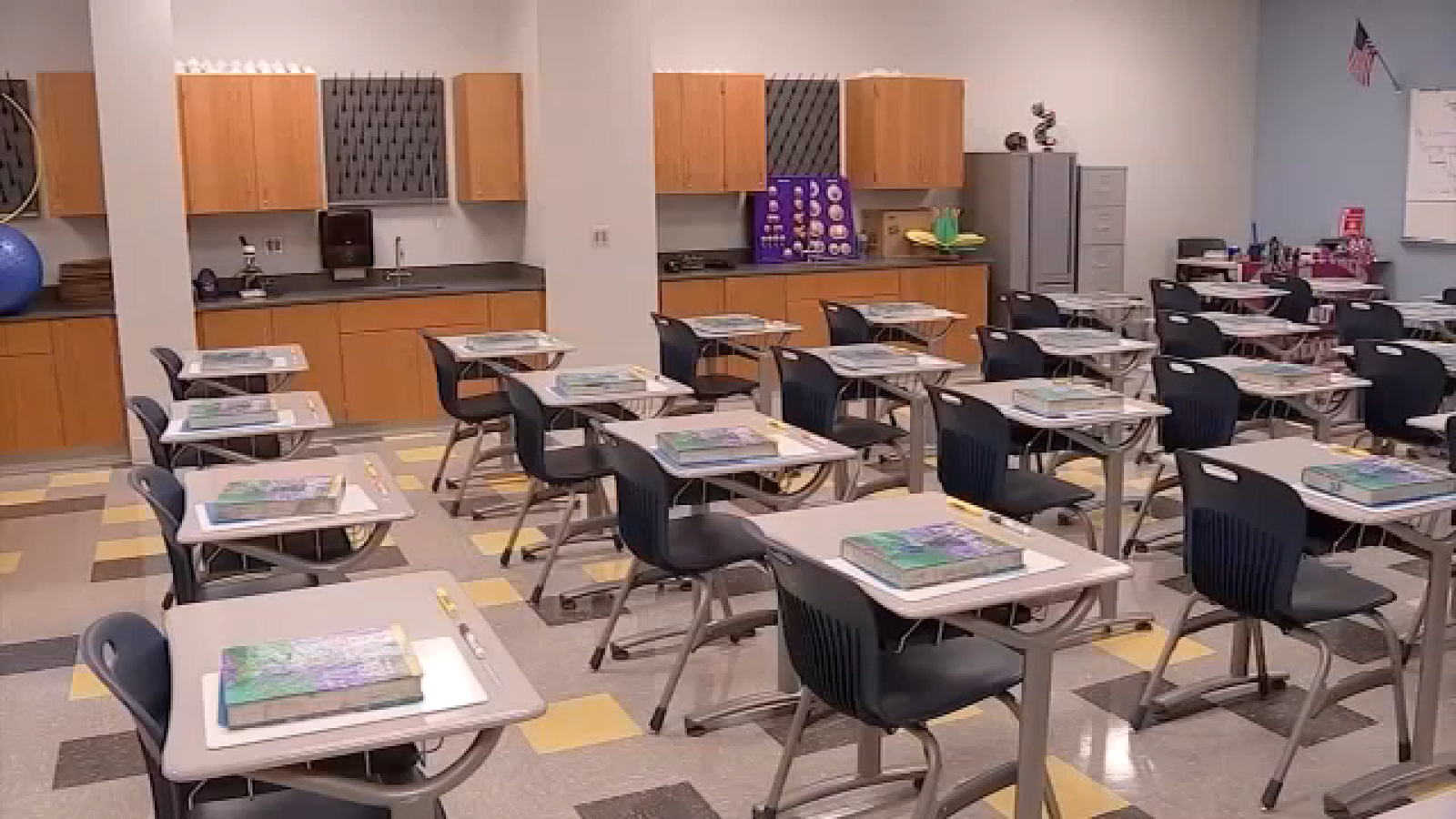
One of the few requirements for Arkansas private schools is that they have an American flag and a flagpole. But millions in state funds go to the largely unmonitored schools while complaints about safety and fraud have gone unanswered, parents say.

www.propublica.org
Reporting Highlights
- Private School Abuse: At an Arkansas school, a boy was hit by the school’s founder and attacked by classmates in a group session the founder led, prompting a complaint and her arrest.
- State Money Still Flows: Despite a jail term for the school’s founder, The Delta Institute for the Developing Brain continues to operate and Arkansas still sends it public funds.
- Unregulated and Growing: By design, private schools get little oversight in Arkansas even as new opportunities to receive state money have spurred a boom in openings since 2023.
...
“If you are going to take public money, then you should meet public standards and be publicly accountable for how that money is spent,” said Bill Kopsky, executive director of the Arkansas Public Policy Panel, a nonprofit that was formed in the 1960s and focuses on social justice.
...
In order to accept EFA money, private schools have to agree to meet some requirements, including that they have or are seeking accreditation, have operated for a year and promise to perform background checks and fingerprinting on all employees. (There’s no requirement that employees have no criminal history.) Schools affirm they’ll teach English, math, science and social studies and administer a standardized test of their choosing once a year. There’s no requirement to report students’ individual test scores to the state or to parents.
The bar is lower for microschools, some of which operate like smaller versions of private schools while others provide programs for homeschoolers. They don’t need to be accredited or wait until they’ve been open for a year to get funding.
The contrast with what is required for public schools is striking. Arkansas’ Education Department monitors public schools, and state law regulates nearly every aspect of them, from teacher qualifications to what’s on district websites. Every district is required to post a tranche of “state-required information” online that must include breakdowns of monthly expenses and even a list of every dyslexia intervention program used.
State Sen. Bryan King, a Republican, said he supports school choice but said he voted against the LEARNS Act because there wasn’t enough accountability given the amount of public spending. He proposed legislation this spring that would have required all schools receiving EFA funds to administer the same standardized test — and for funding to be tied to student performance on that exam.
“We can’t afford this and my concerns were about financial responsibility, accountability, transparency, everything about it,” he said.
The proposal did not advance. King was attacked in the primary this year for being against “education freedom,” and Sanders backed his opponent. King still prevailed.
Problems like these are a feature of the GOP's plan to destroy public education. In Florida, auditors found that the state could not adequately account for roughly $270 million tied to 30,000 voucher students. The state then continued pouring about $4 billion into the program, while lawmakers failed to enact the major oversight reforms intended to prevent the same tracking problems from happening again.
It's not about improving education. It's about funneling taxpayer money to corporations and political allies while draining resources from traditional public schools, all in the name of parental choice.
Florida hands private schools billions in public money, but barely monitors what they teach, whether their teachers are qualified, or whether students are actually getting a solid education. The schools do not have to follow state standards, use the same tests, earn school grades, or face the same accountability as public schools.
Public money should come with public oversight.