


Defining free speech
- Thread starter twofbyc
- Start date
You are using an out of date browser. It may not display this or other websites correctly.
You should upgrade or use an alternative browser.
You should upgrade or use an alternative browser.
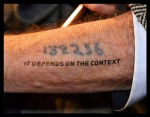


Isn't it weird how not long ago, people around here were suggesting that criticizing George Soros was somehow antisemitic, but refusing to acknowledge genocidal rhetoric against Israel somehow isn't? The world's a weird place.I'd say as soon as she was unable, in real time, to answer the question I'd know we had chosen the wrong person to lead the university. It was such a simple question about something that shouldn't ever require any 'context', it's mind-boggling that a uni would consider this person the ideal to lead them.


Who has "refused to acknowledge genocidal rhetoric against Israel" isn't antisemitic? I haven't seen that post(s). Can you point one of these out for me?Isn't it weird how not long ago, people around here were suggesting that criticizing George Soros was somehow antisemitic, but refusing to acknowledge genocidal rhetoric against Israel somehow isn't? The world's a weird place.


She's not apologizing because she's sorry she's apologizing because she got caught.This is not doubling down. Gay acknowledged her error and her staff and alumni support her overwhelmingly.
Possibly, but I prefer to give anyone the benefit of the doubt when they apologize.She's not apologizing because she's sorry she's apologizing because she got caught.
After all, it's not an everyday occurrence to have to testify before Congress. Even though she's president of a prestigious university, Stefanik was being as rude as Gym Jordan. Stefanik would ask a question and before anyone gets a chance to complete and answer, she cuts them off. IANAL, but it looked like classic witness badgering to me. My point is, all these women had to be nervous in such a pressure cooker.
I'm not making excuses for the really bad answers. Be that as it may, if Gay felt she performed poorly and gave a sincere apology, plus hundreds of faculty and alumni support her, then I'm willing to give her the benefit of the doubt. The faculty and alumni are closer to the situation than I am.
As Basket said above, we'll find out how she really feels by her future actions.
Sorry for the delayed response. I had back to back meetings this afternoon (both equally pointless.) Anyway, perhaps a comparison to posts on this board vs what I am observing in society at large isn't entirely appropriate, but I remember getting annoyed by the insane (and stupid) suggestion that criticisms of Soros are somehow antisemitic, but a whole lotta people out there are standing by and saying nothing about those three stooges. Whatever happened to "silence is violence?" Right, it's just a silly rhetorical device that only gets used in certain situations.Who has "refused to acknowledge genocidal rhetoric against Israel" isn't antisemitic? I haven't seen that post(s). Can you point one of these out for me?
Anyway, I didn't mean to suggest anyone here was posting such a thing. Sometimes when I get in a hurry (because I'm late for a pointless meeting) I don't articulate as well as I should have.
No problem with the delayed response. I work for a living too. Thank you for the clarification.Sorry for the delayed response. I had back to back meetings this afternoon (both equally pointless.) Anyway, perhaps a comparison to posts on this board vs what I am observing in society at large isn't entirely appropriate, but I remember getting annoyed by the insane (and stupid) suggestion that criticisms of Soros are somehow antisemitic, but a whole lotta people out there are standing by and saying nothing about those three stooges. Whatever happened to "silence is violence?" Right, it's just a silly rhetorical device that only gets used in certain situations.
Anyway, I didn't mean to suggest anyone here was posting such a thing. Sometimes when I get in a hurry (because I'm late for a pointless meeting) I don't articulate as well as I should have.
It's only antisemitism against Soros if the criticism is because he is Jewish.
I have a very close Jewish friend. He called me this weekend to ask if I had seen any signs of antisemitism here in West Tennessee. I told him I don't have any Jewish patients so I had not been exposed.
I checked earlier today to see if there is a synagogue in Jackson, TN. There is but it only has 35 members. I was pretty surprised to learn that Jackson, a town of 60,000+ has such a small Jewish community.

The entire video and transcript:

 www.c-span.org

 www.rev.com
Below I will quote the three presidents in their opening remarks. I will also quote others whose remarks seem pertinent to me. I will bold some items that I find interesting and pertinent. I may comment from time to time on certain items.
University Presidents Testify on College Campus Antisemitism, Part 1
The presidents of Harvard University, the University of Pennsylvania, and the Massachusetts Institute of Technology (MIT) testified on combating antisemitism on college campuses at a public hearing before the House Education and Workforce Committee. They were questioned on free speech versus...
www.c-span.org
University Presidents Testify Before House on Anti-Semitism | Rev
The presidents of various universities testified before the House. Read the transcript here.
www.rev.com
Below I will quote the three presidents in their opening remarks. I will also quote others whose remarks seem pertinent to me. I will bold some items that I find interesting and pertinent. I may comment from time to time on certain items.
Claudine Gay (13:28):
Chairwoman Foxx, Ranking Member Scott and distinguished members of the committee, my name is Claudine Gay and I’m the president of Harvard University. It’s an honor to be here today representing a community of more than 25,000 undergraduate and graduate students, more than 19,000 faculty and staff and more than 400,000 alumni, including multiple members of this committee.
(13:59)
Thank you for calling this hearing on the critical topic of antisemitism. Our community still mourns those brutally murdered during the Hamas terrorist attack in Israel on October 7th. Words fail in the face of such depravity, the deadliest single day for the Jewish community since the horrors of the Holocaust. In the two months since the atrocities of October 7th and the subsequent armed conflict and humanitarian crisis in Gaza, we have seen a dramatic and deeply concerning rise in antisemitism around the world, in the United States and on our campuses, including my own.
(14:49)
I know many in our Harvard Jewish community are hurting and experiencing grief, fear, and trauma. I have heard from faculty, students, staff, and alumni of incidents of intimidation and harassment. I have seen reckless and thoughtless rhetoric shared in person and online, on campus and off. I have listened to leaders in our Jewish community who are scared and disillusioned. At the same time. I know members of Harvard’s Muslim and Arab communities are also hurting. During these past months, the world, our nation and our campuses have also seen a rise of incidents of Islamophobia. During these difficult days, I have felt the bonds of our community strain. In response I have sought to confront hate while preserving free expression. This is difficult work and I know that I have not always gotten it right. The free exchange of ideas is the foundation upon which Harvard is built and safety and wellbeing are the prerequisites for engagement in our community.
(16:10)
Without both of these things, our teaching and research mission founder. In the past two months, our bedrock commitments have guided our efforts. We have increased security measures, expanded reporting channels, and augmented counseling, mental health and support services. We have reiterated that speech that incites violence threatened safety or violates Harvard’s policies against bullying and harassment is unacceptable. We have made it clear that any behaviors that disrupt our teaching and research efforts will not be tolerated.
(16:51)
And where these lines have been crossed, we have taken action. We have drawn on our academic expertise to create learning opportunities for our campus community. We have begun examinations of the ways in which antisemitism and other forms of hate manifest at Harvard and in American society. We have also repeatedly made clear that we at Harvard reject antisemitism and denounce any trace of it on our campus or within our community.
(17:25)
Antisemitism is a symptom of ignorance and the cure for ignorance is knowledge. Harvard must model what it means to preserve free expression while combating prejudice and preserving the security of our community. We are undertaking that hard, long-term work with the attention and intensity it requires. Once again, I thank the committee for the opportunity to discuss this important work. I have faith today that through thoughtful, focused, and determined effort, we will once again meet adversity and grow. Thank you.
Chairwoman Foxx, Ranking Member Scott and distinguished members of the committee, my name is Claudine Gay and I’m the president of Harvard University. It’s an honor to be here today representing a community of more than 25,000 undergraduate and graduate students, more than 19,000 faculty and staff and more than 400,000 alumni, including multiple members of this committee.
(13:59)
Thank you for calling this hearing on the critical topic of antisemitism. Our community still mourns those brutally murdered during the Hamas terrorist attack in Israel on October 7th. Words fail in the face of such depravity, the deadliest single day for the Jewish community since the horrors of the Holocaust. In the two months since the atrocities of October 7th and the subsequent armed conflict and humanitarian crisis in Gaza, we have seen a dramatic and deeply concerning rise in antisemitism around the world, in the United States and on our campuses, including my own.
(14:49)
I know many in our Harvard Jewish community are hurting and experiencing grief, fear, and trauma. I have heard from faculty, students, staff, and alumni of incidents of intimidation and harassment. I have seen reckless and thoughtless rhetoric shared in person and online, on campus and off. I have listened to leaders in our Jewish community who are scared and disillusioned. At the same time. I know members of Harvard’s Muslim and Arab communities are also hurting. During these past months, the world, our nation and our campuses have also seen a rise of incidents of Islamophobia. During these difficult days, I have felt the bonds of our community strain. In response I have sought to confront hate while preserving free expression. This is difficult work and I know that I have not always gotten it right. The free exchange of ideas is the foundation upon which Harvard is built and safety and wellbeing are the prerequisites for engagement in our community.
(16:10)
Without both of these things, our teaching and research mission founder. In the past two months, our bedrock commitments have guided our efforts. We have increased security measures, expanded reporting channels, and augmented counseling, mental health and support services. We have reiterated that speech that incites violence threatened safety or violates Harvard’s policies against bullying and harassment is unacceptable. We have made it clear that any behaviors that disrupt our teaching and research efforts will not be tolerated.
(16:51)
And where these lines have been crossed, we have taken action. We have drawn on our academic expertise to create learning opportunities for our campus community. We have begun examinations of the ways in which antisemitism and other forms of hate manifest at Harvard and in American society. We have also repeatedly made clear that we at Harvard reject antisemitism and denounce any trace of it on our campus or within our community.
(17:25)
Antisemitism is a symptom of ignorance and the cure for ignorance is knowledge. Harvard must model what it means to preserve free expression while combating prejudice and preserving the security of our community. We are undertaking that hard, long-term work with the attention and intensity it requires. Once again, I thank the committee for the opportunity to discuss this important work. I have faith today that through thoughtful, focused, and determined effort, we will once again meet adversity and grow. Thank you.
Elizabeth Magill (18:25):
Thank you, Chairwoman Foxx, Ranking Member Scott and distinguished members of this committee, the opportunity to be here today. My name is Elizabeth Magill and I’m the president of the University of Pennsylvania. Let me begin by saying that I and the University of Pennsylvania are horrified by and condemn Hamas’ abhorrent and brutal terror attack on Israel on October 7th. There is no justification, none for those heinous attacks. The loss of life and suffering that are occurring in Israel and Gaza during the ensuing war are heartbreaking. This pain, sorrow, and fear extends to our campus and to our city of Philadelphia. This hearing this morning takes place just two days after the Philadelphia community witnessed in horror, the hateful words and actions of protestors who marched through city and then near our campus.
(19:21)
These protestors directly targeted a center city business that is Jewish and Israeli owned, a troubling and shameful act of antisemitism. Philadelphia police and Penn public safety were present and thankfully no one was injured. But these events have understandably left many in our community upset and afraid. Antisemitism, an old viral and pernicious evil has been steadily rising in our society, and these world events have dramatically accelerated that surge.
(19:55)
Few places have proven immune, including Philadelphia and campuses like ours. This is unacceptable. We are combating this hate on our campus with both immediate and comprehensive action. I have condemned antisemitism publicly, regularly, and in the strongest possible terms and today, let me reiterate my and Penn’s unyielding commitment to combating it. We immediately investigate any hateful act cooperating with both law enforcement and the FBI where we have identified individuals who’ve committed these acts in violation of either policy or law.
(20:32)
We initiate disciplinary proceedings and engage law enforcement. We have acted decisively to ensure safety throughout and near our campus, expanding the presence of public safety officers at our religious life centers and all across campus. On November 1st, just over a month ago, I announced Penn’s action plan to combat antisemitism. This builds on our anti-hate efforts to date and it is anchored firmly in the United States national strategy to counter antisemitism.
(21:04)
The plan centers on three key areas and has many elements. Those areas are safety and security, engagement and education. As part of this plan, I have convened and charged a task force to identify concrete, actionable recommendations, directing them to provide me with the recommendations both in real time and then a final report in a couple of months. To ensure that our Jewish students have a direct channel to share their experiences with me, I’ve created a student advisory group on the student experience.
(21:34)
Today’s hearing is focused on antisemitism and its direct impact on the Jewish community, but history teaches us that where antisemitism goes unchecked, other forms of hate spread and ultimately can threaten democracy. We are seeing a rise in our society and harassment, intimidation, and threats toward individuals based on their identity as Muslim, Palestinian, or Arab. At Penn, we are investigating all these allegations for members of our community and providing resources to support individuals experiencing threats, online harassment, and doxxing.
(22:07)
We will continue to deploy all the necessary resources to support any member of the community experiencing hate. As president, I am committed to a safe, secure, and supportive educational environment so that our academic mission can thrive. It is crucial that ideas are exchanged and diverse viewpoints are debated. As a student of constitutional democracy, I know that we need both safety and free expression for universities and ultimately democracy to thrive.
(22:40)
In these times, these competing principles can be difficult to balance, but I am determined to get it right and we must get this right. The stakes are too high. Penn would not be what it is without its strong Jewish community, past, present, and future. I am proud of this tradition and deeply troubled when members of our Jewish community share that their sense of belonging has been shaken. Under my leadership, we will never, ever shrink from our moral responsibility to combat antisemitism and educate all to recognize and reject hate. We will remain vigilant. I look forward to your questions.
Thank you, Chairwoman Foxx, Ranking Member Scott and distinguished members of this committee, the opportunity to be here today. My name is Elizabeth Magill and I’m the president of the University of Pennsylvania. Let me begin by saying that I and the University of Pennsylvania are horrified by and condemn Hamas’ abhorrent and brutal terror attack on Israel on October 7th. There is no justification, none for those heinous attacks. The loss of life and suffering that are occurring in Israel and Gaza during the ensuing war are heartbreaking. This pain, sorrow, and fear extends to our campus and to our city of Philadelphia. This hearing this morning takes place just two days after the Philadelphia community witnessed in horror, the hateful words and actions of protestors who marched through city and then near our campus.
(19:21)
These protestors directly targeted a center city business that is Jewish and Israeli owned, a troubling and shameful act of antisemitism. Philadelphia police and Penn public safety were present and thankfully no one was injured. But these events have understandably left many in our community upset and afraid. Antisemitism, an old viral and pernicious evil has been steadily rising in our society, and these world events have dramatically accelerated that surge.
(19:55)
Few places have proven immune, including Philadelphia and campuses like ours. This is unacceptable. We are combating this hate on our campus with both immediate and comprehensive action. I have condemned antisemitism publicly, regularly, and in the strongest possible terms and today, let me reiterate my and Penn’s unyielding commitment to combating it. We immediately investigate any hateful act cooperating with both law enforcement and the FBI where we have identified individuals who’ve committed these acts in violation of either policy or law.
(20:32)
We initiate disciplinary proceedings and engage law enforcement. We have acted decisively to ensure safety throughout and near our campus, expanding the presence of public safety officers at our religious life centers and all across campus. On November 1st, just over a month ago, I announced Penn’s action plan to combat antisemitism. This builds on our anti-hate efforts to date and it is anchored firmly in the United States national strategy to counter antisemitism.
(21:04)
The plan centers on three key areas and has many elements. Those areas are safety and security, engagement and education. As part of this plan, I have convened and charged a task force to identify concrete, actionable recommendations, directing them to provide me with the recommendations both in real time and then a final report in a couple of months. To ensure that our Jewish students have a direct channel to share their experiences with me, I’ve created a student advisory group on the student experience.
(21:34)
Today’s hearing is focused on antisemitism and its direct impact on the Jewish community, but history teaches us that where antisemitism goes unchecked, other forms of hate spread and ultimately can threaten democracy. We are seeing a rise in our society and harassment, intimidation, and threats toward individuals based on their identity as Muslim, Palestinian, or Arab. At Penn, we are investigating all these allegations for members of our community and providing resources to support individuals experiencing threats, online harassment, and doxxing.
(22:07)
We will continue to deploy all the necessary resources to support any member of the community experiencing hate. As president, I am committed to a safe, secure, and supportive educational environment so that our academic mission can thrive. It is crucial that ideas are exchanged and diverse viewpoints are debated. As a student of constitutional democracy, I know that we need both safety and free expression for universities and ultimately democracy to thrive.
(22:40)
In these times, these competing principles can be difficult to balance, but I am determined to get it right and we must get this right. The stakes are too high. Penn would not be what it is without its strong Jewish community, past, present, and future. I am proud of this tradition and deeply troubled when members of our Jewish community share that their sense of belonging has been shaken. Under my leadership, we will never, ever shrink from our moral responsibility to combat antisemitism and educate all to recognize and reject hate. We will remain vigilant. I look forward to your questions.
Pamela Nadell (23:28):
Thank you, Chairwoman Foxx and Ranking Member Scott for inviting me today. I’m Pamela Nadell. I’m a professor of Jewish history at American University, and I’m currently writing the book, Antisemitism and American Tradition supported by a National Endowment for the Humanities Public Scholar Award. And I’m delighted to be here today because this gives me an opportunity to thank Congress for sustaining through the NEH scholarship essential to understanding our nation’s past.
(24:01)
This is the third time I have testified about this topic before Congress. The first was in 2017, just three months after white supremacists chanting, “Jews will not replace us,†paraded through the University of Virginia brandishing torch lights echoing Nazi storm troopers strutting through Germany in the 1930s. I emphasize this because the antisemitism igniting on campuses today is not new. It is part of a long history of American antisemitism.
(24:38)
While antisemitism is difficult to define, historical examples convey some of its contours. Anti-Semites believe that Jews have been corrupted by money since Judas portrayed Jesus for 30 pieces of silver and they’ve employed code names for avaricious Jews, Shylock, Rothschild, and in the 21st century, George Soros anti-Semites believe Jews conspire to destroy Christian western civilization. These conspiracy theories gained currency in the 1920s when Henry Ford’s newspaper ran the series, The International Jew: The world’s Foremost Problem.
(25:21)
Today, the charge that the Jews are internationalists has been replaced by the dog whistle globalist, implying that Jews are the puppet masters of the worldwide order. Across American history, people from all walks of life have conveyed antisemitic ideas since 1654 when New Amsterdam governor, Peter Stuyvesant tried to expel, and I quote, “This deceitful race, such hateful enemies and blasphemers of the name of Christ.â€Â
(25:54)
Now, more than 350 years later, we have just marked the fifth anniversary of the murders at Pittsburgh’s Tree of Life synagogue. On city streets, abuse is hurled at Orthodox Jews and swastikas are graffitied on dorm doors and also at the State Department. The long history of American antisemitism left its mark in higher education. Quotas on the admission of Jewish students began in the Ivy League in the 1920s and spread to more than 700 private colleges and universities. The campuses also wrestled with the challenge of antisemitic speech before this fall. In the early 1990s, Holocaust deniers took out full page ads in college newspapers. Those ads launched furious debates about free speech on campus and also help propel Holocaust courses into the university to respond to the disinformation. Anti-Israel invective has been flaring on campus well before this fall. I could look back more than 20 years.
(27:02)
In October 2000, 200 students at the University of Michigan yelled, “Israel is a fascist state,†and protested a Hillel teaching. But the barbarity of the Hamas terror of October 7th adds a terrible new chapter to Jewish history. Anyone who claims to care about human rights should denounce these horrors that so many on campus not only did not, but that they justified the savagery in name of opposition to Israel has caused Jews around the world deep anguish.
(27:39)
While I deplore all hateful speech, antisemitic speech remains in America, protected. Free speech stands at the core of the liberal arts education, an education which almost every member of Congress benefited from when they were students. But free speech does not permit harassment, discrimination, bias, threats, or violence in any form, and when they occur, our institutions, and not just the campus, but our nation, they have in place mechanisms to respond.
(28:14)
The American Jewish community has long strategized about how to reduce antisemitism. Their efforts received a stunning confirmation when the US National Strategy to Counter Antisemitism was published. I believe this is the first time any nation has developed such a document. I urge Congress to do everything in its power to support the national strategy and also the forthcoming national strategy to counter Islamophobia. Thank you.
Thank you, Chairwoman Foxx and Ranking Member Scott for inviting me today. I’m Pamela Nadell. I’m a professor of Jewish history at American University, and I’m currently writing the book, Antisemitism and American Tradition supported by a National Endowment for the Humanities Public Scholar Award. And I’m delighted to be here today because this gives me an opportunity to thank Congress for sustaining through the NEH scholarship essential to understanding our nation’s past.
(24:01)
This is the third time I have testified about this topic before Congress. The first was in 2017, just three months after white supremacists chanting, “Jews will not replace us,†paraded through the University of Virginia brandishing torch lights echoing Nazi storm troopers strutting through Germany in the 1930s. I emphasize this because the antisemitism igniting on campuses today is not new. It is part of a long history of American antisemitism.
(24:38)
While antisemitism is difficult to define, historical examples convey some of its contours. Anti-Semites believe that Jews have been corrupted by money since Judas portrayed Jesus for 30 pieces of silver and they’ve employed code names for avaricious Jews, Shylock, Rothschild, and in the 21st century, George Soros anti-Semites believe Jews conspire to destroy Christian western civilization. These conspiracy theories gained currency in the 1920s when Henry Ford’s newspaper ran the series, The International Jew: The world’s Foremost Problem.
(25:21)
Today, the charge that the Jews are internationalists has been replaced by the dog whistle globalist, implying that Jews are the puppet masters of the worldwide order. Across American history, people from all walks of life have conveyed antisemitic ideas since 1654 when New Amsterdam governor, Peter Stuyvesant tried to expel, and I quote, “This deceitful race, such hateful enemies and blasphemers of the name of Christ.â€Â
(25:54)
Now, more than 350 years later, we have just marked the fifth anniversary of the murders at Pittsburgh’s Tree of Life synagogue. On city streets, abuse is hurled at Orthodox Jews and swastikas are graffitied on dorm doors and also at the State Department. The long history of American antisemitism left its mark in higher education. Quotas on the admission of Jewish students began in the Ivy League in the 1920s and spread to more than 700 private colleges and universities. The campuses also wrestled with the challenge of antisemitic speech before this fall. In the early 1990s, Holocaust deniers took out full page ads in college newspapers. Those ads launched furious debates about free speech on campus and also help propel Holocaust courses into the university to respond to the disinformation. Anti-Israel invective has been flaring on campus well before this fall. I could look back more than 20 years.
(27:02)
In October 2000, 200 students at the University of Michigan yelled, “Israel is a fascist state,†and protested a Hillel teaching. But the barbarity of the Hamas terror of October 7th adds a terrible new chapter to Jewish history. Anyone who claims to care about human rights should denounce these horrors that so many on campus not only did not, but that they justified the savagery in name of opposition to Israel has caused Jews around the world deep anguish.
(27:39)
While I deplore all hateful speech, antisemitic speech remains in America, protected. Free speech stands at the core of the liberal arts education, an education which almost every member of Congress benefited from when they were students. But free speech does not permit harassment, discrimination, bias, threats, or violence in any form, and when they occur, our institutions, and not just the campus, but our nation, they have in place mechanisms to respond.
(28:14)
The American Jewish community has long strategized about how to reduce antisemitism. Their efforts received a stunning confirmation when the US National Strategy to Counter Antisemitism was published. I believe this is the first time any nation has developed such a document. I urge Congress to do everything in its power to support the national strategy and also the forthcoming national strategy to counter Islamophobia. Thank you.
Sally Kornbluth (28:53):
Thank you, Chairwoman Foxx Ranking member Scott and distinguished members of the committee. Thank you for this opportunity to describe how MIT is fighting the scourge of antisemitism. My name is Sally Kornbluth. I have been president of MIT since January of this year. As an American, as a Jew, and as a human being, I abhor antisemitism. And my administration is combating it actively. Since October 7th, my campus communications have been crystal clear about the dangers of antisemitism and about the atrocity of the Hamas terror attack.
(29:34)
Let me repeat what I said in my very first message to campus. In that video, I said, quote, “The brutality perpetrated on innocent civilians in Israel by terrorists from Hamas is horrifying. In my opinion, such a deliberate attack on civilians can never be justified.†I also made clear that students were feeling unsafe because of their Jewish faith or their ties to Israel and said, “That should trouble every one of us deeply.â€Â
(30:05)
I have reinforced this message, including in a November 14th campus video. As I said then, “Antisemitism is real and it is rising in the world. We cannot let it poison our community.†I have been direct and unequivocal. And such leadership statements are important, but they must be paired with action and this is just what we are doing at MIT.
(30:32)
Months before October 7th, MIT joined the International Hillel Campus Climate Initiative, which helps universities build awareness of and actions against antisemitism. We have launched an MIT wide effort called Standing Together Against Hate. It will emphasize both education and community building, especially in our residence halls. In addition to fighting antisemitism, it will address Islamophobia
Sally Kornbluth (31:00):
… also on the rise and also under-reported, MIT will take on both, not lumped together, but with equal energy and in parallel.
(31:10)
Importantly, as is clearly visible on campus, we have increased the police presence. Safety has been our primary concern. Nonetheless, I know some Israeli and Jewish students feel unsafe on campus. As they bear the horror of the Hamas attacks and the history of antisemitism, these students have been pained by chants and recent demonstrations.
(31:34)
I strongly believe that there is a difference between what we can say to each other that is what we have a right to say, and what we should say as members of one community. Yet as president of MIT, in addition to my duties to keep the campus safe and to maintain the functioning of this national asset, I must at the same time ensure that we protect speech and viewpoint diversity for everyone. This is in keeping with the institute’s principles on free expression.
(32:08)
Meeting those three goals is challenging and the results can be terribly uncomfortable, but it is essential to how we operate in the United States. Those who want us to shut down protest language are, in effect, arguing for a speech code. But in practice, speech codes do not work. Problematic speech needs to be countered with other speech and with education, and we are doing that.
(32:34)
However, the right to free speech does not extend to harassment, discrimination, or incitement to violence in our community. MIT policies are clear on this. To keep the campus functioning we also have policies to regulate the time, manner, and place of demonstrations. Reports of student conduct that may violate our policies are handled through our faculty-led committee on discipline. Our campus actions to date have protected student safety, minimized disruptions to campus activities and protected the right to free expression. We are intensifying our central efforts to combat antisemitism, the vital subject of this hearing. I note that I am also deeply concerned about the rise in prejudice against Arabs, Muslims, and Palestinians nationally and in our community, and we are determined to combat that as well. We are also supporting faculty, staff, and student initiatives to counter hate. And thanks to an inspiring group of faculty members, we are seeing more discussion among students with conflicting views.
(33:43)
We know there is further work to do, but we are seeing progress and MIT’s vital mission continues.
(33:50)
Thank you. I’m happy to answer questions.
Thank you, Chairwoman Foxx Ranking member Scott and distinguished members of the committee. Thank you for this opportunity to describe how MIT is fighting the scourge of antisemitism. My name is Sally Kornbluth. I have been president of MIT since January of this year. As an American, as a Jew, and as a human being, I abhor antisemitism. And my administration is combating it actively. Since October 7th, my campus communications have been crystal clear about the dangers of antisemitism and about the atrocity of the Hamas terror attack.
(29:34)
Let me repeat what I said in my very first message to campus. In that video, I said, quote, “The brutality perpetrated on innocent civilians in Israel by terrorists from Hamas is horrifying. In my opinion, such a deliberate attack on civilians can never be justified.†I also made clear that students were feeling unsafe because of their Jewish faith or their ties to Israel and said, “That should trouble every one of us deeply.â€Â
(30:05)
I have reinforced this message, including in a November 14th campus video. As I said then, “Antisemitism is real and it is rising in the world. We cannot let it poison our community.†I have been direct and unequivocal. And such leadership statements are important, but they must be paired with action and this is just what we are doing at MIT.
(30:32)
Months before October 7th, MIT joined the International Hillel Campus Climate Initiative, which helps universities build awareness of and actions against antisemitism. We have launched an MIT wide effort called Standing Together Against Hate. It will emphasize both education and community building, especially in our residence halls. In addition to fighting antisemitism, it will address Islamophobia
Sally Kornbluth (31:00):
… also on the rise and also under-reported, MIT will take on both, not lumped together, but with equal energy and in parallel.
(31:10)
Importantly, as is clearly visible on campus, we have increased the police presence. Safety has been our primary concern. Nonetheless, I know some Israeli and Jewish students feel unsafe on campus. As they bear the horror of the Hamas attacks and the history of antisemitism, these students have been pained by chants and recent demonstrations.
(31:34)
I strongly believe that there is a difference between what we can say to each other that is what we have a right to say, and what we should say as members of one community. Yet as president of MIT, in addition to my duties to keep the campus safe and to maintain the functioning of this national asset, I must at the same time ensure that we protect speech and viewpoint diversity for everyone. This is in keeping with the institute’s principles on free expression.
(32:08)
Meeting those three goals is challenging and the results can be terribly uncomfortable, but it is essential to how we operate in the United States. Those who want us to shut down protest language are, in effect, arguing for a speech code. But in practice, speech codes do not work. Problematic speech needs to be countered with other speech and with education, and we are doing that.
(32:34)
However, the right to free speech does not extend to harassment, discrimination, or incitement to violence in our community. MIT policies are clear on this. To keep the campus functioning we also have policies to regulate the time, manner, and place of demonstrations. Reports of student conduct that may violate our policies are handled through our faculty-led committee on discipline. Our campus actions to date have protected student safety, minimized disruptions to campus activities and protected the right to free expression. We are intensifying our central efforts to combat antisemitism, the vital subject of this hearing. I note that I am also deeply concerned about the rise in prejudice against Arabs, Muslims, and Palestinians nationally and in our community, and we are determined to combat that as well. We are also supporting faculty, staff, and student initiatives to counter hate. And thanks to an inspiring group of faculty members, we are seeing more discussion among students with conflicting views.
(33:43)
We know there is further work to do, but we are seeing progress and MIT’s vital mission continues.
(33:50)
Thank you. I’m happy to answer questions.
Virginia Foxx (33:53):
How did your campuses get this way? What is it about the way that you hire faculty and approve curriculum that’s allowing your campuses to be infected by this intellectual and moral rot?
Claudine Gay (35:36):
Thank you. Thank you, Chairwoman Foxx.
(35:43)
Again, antisemitism has no place at Harvard. When we recruit faculty, we do so with the understanding that they are joining a community where we honor, celebrate, and nurture open discourse both on the campus and in the classroom. And to be a successful teacher and educator at Harvard requires the ability to draw out all of the viewpoints and voices in your classroom irrespective of one’s political views. And we devote significant resources to training our faculty in that pedagogical skill and to prioritizing that in our recruiting and hiring.
Elizabeth Magill (36:33):
Thank you for the opportunity to address the question.
(36:38)
I’m troubled by what you are reporting about the culture of the institutions that we’re leading. Very contrary to the values that I hold as a leader of University of Pennsylvania as well as the institution, where any form of hate is very contrary to our values.
(36:58)
I would venture an answer of, Chairwoman Foxx, that antisemitism has a role in the broader society and that’s what we’re seeing happening in the society and on our campuses, and I’m committed to combating it in immediate term and the long-term.
Sally Kornbluth (37:16):
Yes. So MIT is a majority STEM education and research institution and we are devoted to solving the problems that face society. Our faculty are hired for their brilliance. Now, we allow them to say what they’d like in the classroom in the name of free expression, but we are committed to having them know that our campus must be a welcoming and inclusive environment. And although they may say what they like in the classroom academically, targeting any individual student, harassing or discriminating is strictly forbidden in our classrooms and on campus.
How did your campuses get this way? What is it about the way that you hire faculty and approve curriculum that’s allowing your campuses to be infected by this intellectual and moral rot?
Claudine Gay (35:36):
Thank you. Thank you, Chairwoman Foxx.
(35:43)
Again, antisemitism has no place at Harvard. When we recruit faculty, we do so with the understanding that they are joining a community where we honor, celebrate, and nurture open discourse both on the campus and in the classroom. And to be a successful teacher and educator at Harvard requires the ability to draw out all of the viewpoints and voices in your classroom irrespective of one’s political views. And we devote significant resources to training our faculty in that pedagogical skill and to prioritizing that in our recruiting and hiring.
Elizabeth Magill (36:33):
Thank you for the opportunity to address the question.
(36:38)
I’m troubled by what you are reporting about the culture of the institutions that we’re leading. Very contrary to the values that I hold as a leader of University of Pennsylvania as well as the institution, where any form of hate is very contrary to our values.
(36:58)
I would venture an answer of, Chairwoman Foxx, that antisemitism has a role in the broader society and that’s what we’re seeing happening in the society and on our campuses, and I’m committed to combating it in immediate term and the long-term.
Sally Kornbluth (37:16):
Yes. So MIT is a majority STEM education and research institution and we are devoted to solving the problems that face society. Our faculty are hired for their brilliance. Now, we allow them to say what they’d like in the classroom in the name of free expression, but we are committed to having them know that our campus must be a welcoming and inclusive environment. And although they may say what they like in the classroom academically, targeting any individual student, harassing or discriminating is strictly forbidden in our classrooms and on campus.
Representative Frederica Wilson (50:48):
(52:44)
With that, I have a few questions. Ms. Nadell, based on your knowledge from 2016 to 2020, what has been the United States response to antisemitic events? I’m specifically thinking about Charlottesville Unite the Right, and what the Trump-Pence administration did compared to this administration. Ms. Nadell?
Pamela Nadell (53:15):
The Unite the Right rally at the University of Virginia and in Charlottesville, Virginia in August of 2017 was for me, and I believe actually for the majority of American Jews, a major turning point. It signaled that the long history of antisemitism in the United States, that it was about to burst out again. And for the first time ever that I know of, Jews who were worshiping in a synagogue on Saturday morning, and they watched some of those Unite the Right ralliers parade past the synagogue armed and they had to sneak out of the back of the synagogue because they were afraid that violence would break out.
(54:00)
So what we are seeing in terms of antisemitism in this moment in time is that it’s been rising and rising since 2016. And although President Trump called the people who were the protestors and counter-protestors said there were very good people on both sides, I disagree. I do not think there were very good people on both sides in Charlottesville in August, 2017.
(52:44)
With that, I have a few questions. Ms. Nadell, based on your knowledge from 2016 to 2020, what has been the United States response to antisemitic events? I’m specifically thinking about Charlottesville Unite the Right, and what the Trump-Pence administration did compared to this administration. Ms. Nadell?
Pamela Nadell (53:15):
The Unite the Right rally at the University of Virginia and in Charlottesville, Virginia in August of 2017 was for me, and I believe actually for the majority of American Jews, a major turning point. It signaled that the long history of antisemitism in the United States, that it was about to burst out again. And for the first time ever that I know of, Jews who were worshiping in a synagogue on Saturday morning, and they watched some of those Unite the Right ralliers parade past the synagogue armed and they had to sneak out of the back of the synagogue because they were afraid that violence would break out.
(54:00)
So what we are seeing in terms of antisemitism in this moment in time is that it’s been rising and rising since 2016. And although President Trump called the people who were the protestors and counter-protestors said there were very good people on both sides, I disagree. I do not think there were very good people on both sides in Charlottesville in August, 2017.
Representative Suzanne Bonamici (01:05:20):
I don’t want to cut you off, but I have to get another question and I’m running out of time, but thank you for your work and I also want to recognize as well the AJC action plan for confronting campus anti-Semitism. President Gay. I understand that there’s an ongoing investigation of your institution by OCR because of anti-Semitic incidents that occurred on campus. And I know we’ll be closely monitoring the outcome, but in the interim and over the long term, what can Congress do to support your institution and other colleges in preventing discrimination? And also if you could also respond in the brief time. You mentioned that Harvard will not permit speech that incites violence or threatened safety, and I’d like you also to address, who decides that and how and in what timeframe?
Claudine Gay (01:06:02):
Thank you Congressman Woman for your questions. You’re correct that there is an ongoing investigation and obviously I can’t comment on an active investigation, other than to say we will work with the office to answer all of their questions. And I will say the work of the office is vitally important for ensuring students have access to educational opportunities, so I fully support the work that they do and hope that the office gets the resources that it needs to be effective.
(01:06:34)
With respect to, I believe the question was about student conduct. So again, we are deeply committed to free expression, but when speech crosses over into conduct that violates our policies, policies against bullying, harassment, intimidation, we do take action. And we do have faculty led student disciplinary processes that are quite robust. And even over the last couple of months as there have been incidents, we’ve been leaning into those processes and we do have disciplinary actions underway.
I don’t want to cut you off, but I have to get another question and I’m running out of time, but thank you for your work and I also want to recognize as well the AJC action plan for confronting campus anti-Semitism. President Gay. I understand that there’s an ongoing investigation of your institution by OCR because of anti-Semitic incidents that occurred on campus. And I know we’ll be closely monitoring the outcome, but in the interim and over the long term, what can Congress do to support your institution and other colleges in preventing discrimination? And also if you could also respond in the brief time. You mentioned that Harvard will not permit speech that incites violence or threatened safety, and I’d like you also to address, who decides that and how and in what timeframe?
Claudine Gay (01:06:02):
Thank you Congressman Woman for your questions. You’re correct that there is an ongoing investigation and obviously I can’t comment on an active investigation, other than to say we will work with the office to answer all of their questions. And I will say the work of the office is vitally important for ensuring students have access to educational opportunities, so I fully support the work that they do and hope that the office gets the resources that it needs to be effective.
(01:06:34)
With respect to, I believe the question was about student conduct. So again, we are deeply committed to free expression, but when speech crosses over into conduct that violates our policies, policies against bullying, harassment, intimidation, we do take action. And we do have faculty led student disciplinary processes that are quite robust. And even over the last couple of months as there have been incidents, we’ve been leaning into those processes and we do have disciplinary actions underway.
Mr. Takano (01:12:45):
Thank you Madam Chair and thank you to our witnesses for being here. I do wish we could meet under different circumstances. President Gay, many individuals hold that Harvard did not condemn the attack against Israel swiftly enough. And I’d like to give you an opportunity to briefly to react. Can you tell us why the university did not react as quickly as other universities might have, or others might have hoped Harvard would’ve?
Claudine Gay (01:13:11):
Thank you Congressman for the question and respectfully, the notion that Harvard did not react is not correct. From the moment I learned of the attacks on October 7th, I was focused on action to ensure that our students were supported and safe. On that first day, we were focused on identifying whether we had any students or faculty who were in Israel and needed our assistance, including in getting out. On October 8th, I joined students and other members of the Jewish community at Harvard Hillel for a solidarity dinner to be there and support and also to learn more what their needs were. In the days after, not only did I condemn the attacks, I’ve continued to condemn the attacks and furthermore have continued to stay in conversation with our Jewish community on campus about their evolving needs to ensure that the university is providing them with the support that they need during this very challenging time.
Mr. Takano (01:14:16):
Thank you. President Gate. Do you consider yourself a subject matter expert on anti-Semitic behavior?
Claudine Gay (01:14:22):
Excuse me. Could you repeat that question?
Mr. Takano (01:14:23):
Do you consider yourself an expert on antisemitic behavior, subject matter to expert?
Claudine Gay (01:14:28):
No, I don’t, but I know this, that antisemitism is hate or suspicion of Jews and that is all I need to know to take action to address it on our campus.
Mr. Takano (01:14:39):
Thank you. Real quickly, other than Professor Nadell, do other witnesses consider themselves to be experts on antisemitism? Just a simple yes or no.
Ms. Sally Ann Kornbluth (01:14:48):
No, I do not.
Claudine Gay (01:14:50):
No, I do not, but I learn.
Mr. Takano (01:14:54):
Thank you. Well, my point is that this is the second legislative hearing on this topic in a month and the majority has failed to bring forth any witnesses who can speak on how to address this issue, and how to take concrete steps to combat antisemitism.
Thank you Madam Chair and thank you to our witnesses for being here. I do wish we could meet under different circumstances. President Gay, many individuals hold that Harvard did not condemn the attack against Israel swiftly enough. And I’d like to give you an opportunity to briefly to react. Can you tell us why the university did not react as quickly as other universities might have, or others might have hoped Harvard would’ve?
Claudine Gay (01:13:11):
Thank you Congressman for the question and respectfully, the notion that Harvard did not react is not correct. From the moment I learned of the attacks on October 7th, I was focused on action to ensure that our students were supported and safe. On that first day, we were focused on identifying whether we had any students or faculty who were in Israel and needed our assistance, including in getting out. On October 8th, I joined students and other members of the Jewish community at Harvard Hillel for a solidarity dinner to be there and support and also to learn more what their needs were. In the days after, not only did I condemn the attacks, I’ve continued to condemn the attacks and furthermore have continued to stay in conversation with our Jewish community on campus about their evolving needs to ensure that the university is providing them with the support that they need during this very challenging time.
Mr. Takano (01:14:16):
Thank you. President Gate. Do you consider yourself a subject matter expert on anti-Semitic behavior?
Claudine Gay (01:14:22):
Excuse me. Could you repeat that question?
Mr. Takano (01:14:23):
Do you consider yourself an expert on antisemitic behavior, subject matter to expert?
Claudine Gay (01:14:28):
No, I don’t, but I know this, that antisemitism is hate or suspicion of Jews and that is all I need to know to take action to address it on our campus.
Mr. Takano (01:14:39):
Thank you. Real quickly, other than Professor Nadell, do other witnesses consider themselves to be experts on antisemitism? Just a simple yes or no.
Ms. Sally Ann Kornbluth (01:14:48):
No, I do not.
Claudine Gay (01:14:50):
No, I do not, but I learn.
Mr. Takano (01:14:54):
Thank you. Well, my point is that this is the second legislative hearing on this topic in a month and the majority has failed to bring forth any witnesses who can speak on how to address this issue, and how to take concrete steps to combat antisemitism.
Ms. Stefanik (01:29:19):
Dr. Gay, a Harvard student calling for the mass murder of African-Americans is not protected free speech at Harvard, correct?
Claudine Gay (01:29:27):
Our commitment to free speech-
Ms. Stefanik (01:29:29):
It’s a yes or no question. Is that correct? Is that okay for students to call for the mass murder of African-Americans at Harvard? Is that protected free speech?
Claudine Gay (01:29:37):
Our commitment to free speech-
Ms. Stefanik (01:29:39):
It’s a yes or no question. Let me ask you this. You are president of Harvard, so I assume you’re familiar with the term Intifada, correct?
Claudine Gay (01:29:48):
I’ve heard that term, yes.
Ms. Stefanik (01:29:50):
And you understand that the use of the term Intifada in the context of the Israeli-Arab conflict is indeed a call for violent armed resistance against the state of Israel, including violence against civilians and the genocide of Jews. Are you aware of that?
Claudine Gay (01:30:05):
That type of hateful speech is personally abhorrent to me.
Ms. Stefanik (01:30:09):
And there have been multiple marches at Harvard with students chanting, “There is only one solution, Intifada revolution and to globalize the Intifada.†Is that correct?
Claudine Gay (01:30:21):
I’ve heard that thoughtless, reckless, and hateful language on our campus, yes.
Ms. Stefanik (01:30:27):
So based upon your testimony, you understand that this call for Intifada is to commit genocide against the Jewish people in Israel and globally, correct?
Claudine Gay (01:30:38):
I will say again, that type of hateful speech is personally abhorrent to me.
Ms. Stefanik (01:30:45):
Do you believe that type of hateful speech is contrary to Harvard’s code of conduct, or is it allowed at Harvard?
Claudine Gay (01:30:53):
It is at odds with the values of Harvard.
Ms. Stefanik (01:30:56):
Can you not say here that it is against the code of conduct at Harvard?
Claudine Gay (01:31:02):
We embrace a commitment to free expression even of views that are objectionable, offensive, hateful. It’s when that speech crosses into conduct that violates our policies against bullying, harassment-
Ms. Stefanik (01:31:18):
Does speech not cross that barrier? Does that speech not call for the genocide of Jews and the elimination of Israel? You testified that you understand that is the definition of Intifada. Is that speech according to the code of conduct or not?
Claudine Gay (01:31:38):
We embrace a commitment to free expression and give a wide birth to free expression even of views that are objectionable-
........
Dr. Gay, a Harvard student calling for the mass murder of African-Americans is not protected free speech at Harvard, correct?
Claudine Gay (01:29:27):
Our commitment to free speech-
Ms. Stefanik (01:29:29):
It’s a yes or no question. Is that correct? Is that okay for students to call for the mass murder of African-Americans at Harvard? Is that protected free speech?
Claudine Gay (01:29:37):
Our commitment to free speech-
Ms. Stefanik (01:29:39):
It’s a yes or no question. Let me ask you this. You are president of Harvard, so I assume you’re familiar with the term Intifada, correct?
Claudine Gay (01:29:48):
I’ve heard that term, yes.
Ms. Stefanik (01:29:50):
And you understand that the use of the term Intifada in the context of the Israeli-Arab conflict is indeed a call for violent armed resistance against the state of Israel, including violence against civilians and the genocide of Jews. Are you aware of that?
Claudine Gay (01:30:05):
That type of hateful speech is personally abhorrent to me.
Ms. Stefanik (01:30:09):
And there have been multiple marches at Harvard with students chanting, “There is only one solution, Intifada revolution and to globalize the Intifada.†Is that correct?
Claudine Gay (01:30:21):
I’ve heard that thoughtless, reckless, and hateful language on our campus, yes.
Ms. Stefanik (01:30:27):
So based upon your testimony, you understand that this call for Intifada is to commit genocide against the Jewish people in Israel and globally, correct?
Claudine Gay (01:30:38):
I will say again, that type of hateful speech is personally abhorrent to me.
Ms. Stefanik (01:30:45):
Do you believe that type of hateful speech is contrary to Harvard’s code of conduct, or is it allowed at Harvard?
Claudine Gay (01:30:53):
It is at odds with the values of Harvard.
Ms. Stefanik (01:30:56):
Can you not say here that it is against the code of conduct at Harvard?
Claudine Gay (01:31:02):
We embrace a commitment to free expression even of views that are objectionable, offensive, hateful. It’s when that speech crosses into conduct that violates our policies against bullying, harassment-
Ms. Stefanik (01:31:18):
Does speech not cross that barrier? Does that speech not call for the genocide of Jews and the elimination of Israel? You testified that you understand that is the definition of Intifada. Is that speech according to the code of conduct or not?
Claudine Gay (01:31:38):
We embrace a commitment to free expression and give a wide birth to free expression even of views that are objectionable-
........
Ms. Stefanik (01:32:49):
Well, let me ask you this. Will admissions offers be rescinded or any disciplinary action be taken against students or applicants who say, From the river to the sea, or intifada, advocating
Ms. Stefanik (01:33:00):
… advocating for the murder of Jews.
Claudine Gay (01:33:03):
As I’ve said, that type of hateful, reckless, offensive speech is personally abhorrent to me.
Ms. Stefanik (01:33:11):
You’re saying today that no action will be taken. What action will be taken?
Claudine Gay (01:33:15):
When speech crosses into conduct that violates our policies, including policies against bullying, harassment, or intimidation, we take action and we have robust disciplinary processes that allow us to hold individuals accountable.
Ms. Stefanik (01:33:30):
What action has been taken against students who are harassing and calling for the genocide of Jews on Harvard’s campus?
Claudine Gay (01:33:39):
I can assure you we have robust disciplinary policies, with actions underway.
Ms. Stefanik (01:33:42):
What actions have been taken? I’m asking, what actions have been taken against those students?
Claudine Gay (01:33:49):
Given students’ rights to privacy and our obligations under FERPA, I will not say more about any specific cases, other than to reiterate that processes are ongoing.
Ms. Stefanik (01:34:02):
Do you know what the number one hate crime in America is?
Claudine Gay (01:34:09):
I know that over the last couple of months, there has been an alarming rise of anti-Semitism, which I understand is the critical topic that we are here to discuss.
Ms. Stefanik (01:34:21):
That’s correct. It is anti-Jewish hate crimes. And Harvard ranks the lowest when it comes to protecting Jewish students. This is why I’ve called for your resignation. And your testimony today, not being able to answer with moral clarity speaks volumes. I yield back.
Well, let me ask you this. Will admissions offers be rescinded or any disciplinary action be taken against students or applicants who say, From the river to the sea, or intifada, advocating
Ms. Stefanik (01:33:00):
… advocating for the murder of Jews.
Claudine Gay (01:33:03):
As I’ve said, that type of hateful, reckless, offensive speech is personally abhorrent to me.
Ms. Stefanik (01:33:11):
You’re saying today that no action will be taken. What action will be taken?
Claudine Gay (01:33:15):
When speech crosses into conduct that violates our policies, including policies against bullying, harassment, or intimidation, we take action and we have robust disciplinary processes that allow us to hold individuals accountable.
Ms. Stefanik (01:33:30):
What action has been taken against students who are harassing and calling for the genocide of Jews on Harvard’s campus?
Claudine Gay (01:33:39):
I can assure you we have robust disciplinary policies, with actions underway.
Ms. Stefanik (01:33:42):
What actions have been taken? I’m asking, what actions have been taken against those students?
Claudine Gay (01:33:49):
Given students’ rights to privacy and our obligations under FERPA, I will not say more about any specific cases, other than to reiterate that processes are ongoing.
Ms. Stefanik (01:34:02):
Do you know what the number one hate crime in America is?
Claudine Gay (01:34:09):
I know that over the last couple of months, there has been an alarming rise of anti-Semitism, which I understand is the critical topic that we are here to discuss.
Ms. Stefanik (01:34:21):
That’s correct. It is anti-Jewish hate crimes. And Harvard ranks the lowest when it comes to protecting Jewish students. This is why I’ve called for your resignation. And your testimony today, not being able to answer with moral clarity speaks volumes. I yield back.
Elizabeth Magill (01:48:07):
I appreciate the question from the representative from the Great Commonwealth of Pennsylvania. That video just as a human being was very hard to watch. The chanting, I think calling for intifada global revolution, very disturbing. And I can imagine many people’s reaction to that would be one of fear. So I believe at a minimum, that is hateful speech that has been and should be condemned. Whether it rises to the level of incitement to violence under the policies that Penn and the City of Philadelphia follow, which are guided by the United States Constitution, I think is a much more difficult question. The incitement to violence is a very narrow category.
Ms. Wild (01:49:06):
So let me just ask you there, if you became aware that a similar protest or rally or whatever you call it was going to be occurring on your campus tonight or tomorrow, how would you respond? What would your approach be?
Elizabeth Magill (01:49:27):
Well, our approach with all rallies, vigils, and protests is that our public safety officers and something called open expression observers are present in all of them. We have a long-standing Open Expression Policy that make sure our Open Expression Policies are followed. So I would make sure that those people were there. Our public safety officers usually try to speak to the organizers of the conference, and talk to them about what our rules are about protests. I’m sorry, I think I said conference. About protests.
Ms. Wild (01:49:58):
Can I just stop you?
Elizabeth Magill (01:49:58):
Yes.
Ms. Wild (01:49:58):
Because as you know, these are really short hearings. Were any actions taken to shut down the protest, I think it was Sunday night, Saturday night, whichever night it was?
Elizabeth Magill (01:50:09):
The Philadelphia Police, what’s called their Civil Action Division was the lead on this. And no, I think they were there to make sure there was no incitement of violence and no violence. I don’t think any actions were taken.
Ms. Wild (01:50:22):
Would you agree that your, in this case, Jewish students undoubtedly felt very uncomfortable following that?
Elizabeth Magill (01:50:32):
I’m sure that’s true, yes.
Ms. Wild (01:50:34):
And I’m sure you’ve heard from many of them and their parents as well.
Elizabeth Magill (01:50:36):
Yes. Yes. And there were acts associated with that protest, which were defacing some buildings, which clearly would unquestionably be a criminal action, and the police are trying to determine who did that.
I appreciate the question from the representative from the Great Commonwealth of Pennsylvania. That video just as a human being was very hard to watch. The chanting, I think calling for intifada global revolution, very disturbing. And I can imagine many people’s reaction to that would be one of fear. So I believe at a minimum, that is hateful speech that has been and should be condemned. Whether it rises to the level of incitement to violence under the policies that Penn and the City of Philadelphia follow, which are guided by the United States Constitution, I think is a much more difficult question. The incitement to violence is a very narrow category.
Ms. Wild (01:49:06):
So let me just ask you there, if you became aware that a similar protest or rally or whatever you call it was going to be occurring on your campus tonight or tomorrow, how would you respond? What would your approach be?
Elizabeth Magill (01:49:27):
Well, our approach with all rallies, vigils, and protests is that our public safety officers and something called open expression observers are present in all of them. We have a long-standing Open Expression Policy that make sure our Open Expression Policies are followed. So I would make sure that those people were there. Our public safety officers usually try to speak to the organizers of the conference, and talk to them about what our rules are about protests. I’m sorry, I think I said conference. About protests.
Ms. Wild (01:49:58):
Can I just stop you?
Elizabeth Magill (01:49:58):
Yes.
Ms. Wild (01:49:58):
Because as you know, these are really short hearings. Were any actions taken to shut down the protest, I think it was Sunday night, Saturday night, whichever night it was?
Elizabeth Magill (01:50:09):
The Philadelphia Police, what’s called their Civil Action Division was the lead on this. And no, I think they were there to make sure there was no incitement of violence and no violence. I don’t think any actions were taken.
Ms. Wild (01:50:22):
Would you agree that your, in this case, Jewish students undoubtedly felt very uncomfortable following that?
Elizabeth Magill (01:50:32):
I’m sure that’s true, yes.
Ms. Wild (01:50:34):
And I’m sure you’ve heard from many of them and their parents as well.
Elizabeth Magill (01:50:36):
Yes. Yes. And there were acts associated with that protest, which were defacing some buildings, which clearly would unquestionably be a criminal action, and the police are trying to determine who did that.
Claudine Gay (02:36:15):
So this specific incident, I’ve communicated about publicly, so as you may know, that is an incident that is currently under investigation by HUPD and the FBI.
Ms. McLean (02:36:27):
Any action?
Claudine Gay (02:36:28):
And when that-
Ms. McLean (02:36:28):
Looking for the action.
Claudine Gay (02:36:29):
And when that investigation is complete, we will-
Ms. McLean (02:36:33):
So you can’t answer it.
Claudine Gay (02:36:33):
… address it through our student disciplinary.
Ms. McLean (02:36:33):
I’m going to move to my next question. Do you have an action item or not? As of this time? Was any action taken? Any action?
Claudine Gay (02:36:41):
I can’t share more-
Ms. McLean (02:36:42):
Okay. Thank you.
Claudine Gay (02:36:43):
… about…
Ms. McLean (02:36:43):
Will these students intimidating Jewish students just because they are Jewish, be expelled from the university?
Claudine Gay (02:36:50):
I’m sorry, I didn’t catch your question.
Ms. McLean (02:36:52):
Will the students who are intimidating Jewish students just because they’re Jewish, be expelled?
Claudine Gay (02:37:01):
You’re describing conduct that sounds like it would violate our policies against bullying and intimidation and harassment and if that is the case, it’ll be-
Ms. McLean (02:37:08):
So simple answer-
Claudine Gay (02:37:09):
… addressed-
Ms. McLean (02:37:09):
Thank you.
Claudine Gay (02:37:10):
… through our policies.
So this specific incident, I’ve communicated about publicly, so as you may know, that is an incident that is currently under investigation by HUPD and the FBI.
Ms. McLean (02:36:27):
Any action?
Claudine Gay (02:36:28):
And when that-
Ms. McLean (02:36:28):
Looking for the action.
Claudine Gay (02:36:29):
And when that investigation is complete, we will-
Ms. McLean (02:36:33):
So you can’t answer it.
Claudine Gay (02:36:33):
… address it through our student disciplinary.
Ms. McLean (02:36:33):
I’m going to move to my next question. Do you have an action item or not? As of this time? Was any action taken? Any action?
Claudine Gay (02:36:41):
I can’t share more-
Ms. McLean (02:36:42):
Okay. Thank you.
Claudine Gay (02:36:43):
… about…
Ms. McLean (02:36:43):
Will these students intimidating Jewish students just because they are Jewish, be expelled from the university?
Claudine Gay (02:36:50):
I’m sorry, I didn’t catch your question.
Ms. McLean (02:36:52):
Will the students who are intimidating Jewish students just because they’re Jewish, be expelled?
Claudine Gay (02:37:01):
You’re describing conduct that sounds like it would violate our policies against bullying and intimidation and harassment and if that is the case, it’ll be-
Ms. McLean (02:37:08):
So simple answer-
Claudine Gay (02:37:09):
… addressed-
Ms. McLean (02:37:09):
Thank you.
Claudine Gay (02:37:10):
… through our policies.


Trending content
-

-
-

-
 Thread 'Good luck dealing with a pandemic, depending on this administration...'
- TIDE-HSV
Replies: 8K -

-

-
-

Latest threads
-
 ESPN: NCAA nixes suspension for first targeting penalty
- Started by TideFans Reporter
- Replies: 0
-

-
-

-
ESPN: Lawsuit by ex-Stanford coach vs. ESPN dismissed
- Started by TideFans Reporter
- Replies: 0
-
ESPN: Big 12's top newcomers and what their coaches think
- Started by TideFans Reporter
- Replies: 0