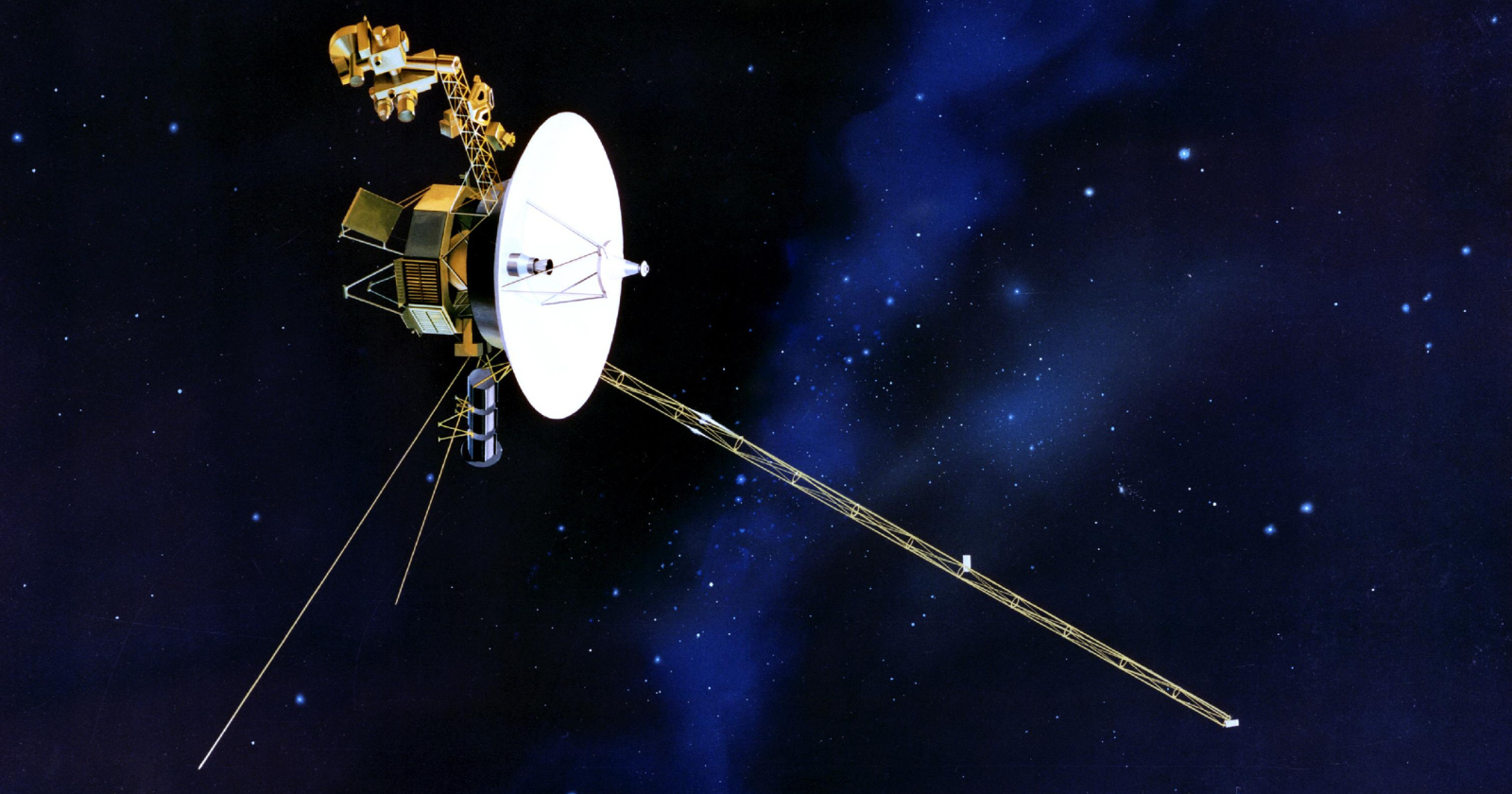
Space - the final frontier (Misc.) II

😥

FTR, Option 2 below isn't practical as modern pads are vehicle specific in design.

Yesterday's New Glenn explosion was truly catastrophic for Blue Origin...

____________________________________________________________________________
BEZOS HAS 3 OPTIONS LEFT AFTER NEW GLENN'S LAUNCHPAD EXPLOSION. ALL 3 ARE CATASTROPHIC. This is the moment nobody wants to talk about. After years of development, a $1B+ heavy-lift rocket program, and a final ground test before Amazon's Kuiper satellite mission → Blue Origin is now boxed into THREE choices. And every single one is a nightmare:

OPTION 1: REBUILD LC-36 FROM SCRATCH
– The only launchpad Blue Origin owns is now a debris field
– One 600-foot lightning tower toppled. Erector-gantry: gone. Ground equipment: destroyed.
– Pad rebuilds after a full vehicle explosion take 12–24 months minimum
– Amazon's Kuiper constellation — already years behind SpaceX Starlink — falls further behind
– Every month of delay costs Amazon market share it cannot get back

OPTION 2: BORROW OR BUY LAUNCH CAPACITY FROM A COMPETITOR
– The only competitor with available heavy-lift pads is SpaceX
– Asking your direct rival for a launchpad is not a business negotiation — it's a surrender
– SpaceX has every incentive to slow-walk, overcharge, or simply say no
– Amazon would be funding the company that is actively destroying Kuiper's market window
– Jeff Bezos built Blue Origin specifically to avoid this dependency

OPTION 3: ABSORB THE DELAY AND KEEP INVESTING
– New Glenn's first stage was enveloped in fire during a routine hotfire test — the final check before orbital flight
– The vehicle collapsed. The upper stage tilted and fell. Fires burned at multiple stories
– This wasn't a launch failure. This was a ground test. The hardest problems haven't even been attempted yet.
– Blue Origin has no second pad, no backup vehicle, and no timeline for the next attempt
– And Starlink already has 7,000+ satellites in orbit

There is no Option 4. There is no clean exit. There is no "we rebuild and catch up by Q4."The media is showing you "rocket science is hard" and "no injuries reported."They're NOT showing you that Blue Origin just destroyed its only launchpad — the single piece of infrastructure that connects years of development to an actual orbital mission — three hours before midnight on May 28, 2026.This is the most consequential single test failure any American space company has faced since SpaceX's Pad 40 explosion in 2016.
 
Thought this was an interesting article:

Hard to wrap my head around these numbers.

 
They will. But the cost of catching up to SpaceX - who continue to progress at a frenetic pace - will be tough with setbacks like this. Luckily, Bezos has LOADS of cash.

SpaceX has launched how many of those fancy new rocket ships(Starship), and still hasn't managed to get one into orbit.

And I don't see how this refueling in space is going to work.

I just heard this week that it's going to take 15 Starship launches to get enough fuel for the Moon missions.

They still haven't reached orbit.

Nor have they tested this refueling-in-space thing.

I just laugh whenever I hear "landing on the Moon in 2028)". 2026 is already half over, and neither SpaceX or Bezos has managed to get theri Moon landers in orbit.

Artimes III is supposed to test docking with those two platforms. And neither one has any real sign of even making orbit yet.
 
SpaceX has launched how many of those fancy new rocket ships(Starship), and still hasn't managed to get one into orbit.

And I don't see how this refueling in space is going to work.

I just heard this week that it's going to take 15 Starship launches to get enough fuel for the Moon missions.

They still haven't reached orbit.

Nor have they tested this refueling-in-space thing.

I just laugh whenever I hear "landing on the Moon in 2028)". 2026 is already half over, and neither SpaceX or Bezos has managed to get theri Moon landers in orbit.

Artimes III is supposed to test docking with those two platforms. And neither one has any real sign of even making orbit yet.
It took six years to get the Falcon9 to orbit. They're currently at roughly seven years with Starship (which is considerably more complex).

I've a bunch of acquaintances / friends who work for BO, Relativity, and SpaceX and literally not one of them doubt Musk will make it work.

As of last week SpaceX has now launched more satellites to LEO than all other countries / companies in human history combined.

I don't know how much of a space nerd you are, but unless you're view is tainted by the desire to see Elon fail, the reality is his history with rocketry indicates he will succeed - and will do so convincingly.
 
  • Emphasis!
Reactions: Bazza
It took six years to get the Falcon9 to orbit. They're currently at roughly seven years with Starship (which is considerably more complex).

I've a bunch of acquaintances / friends who work for BO, Relativity, and SpaceX and literally not one of them doubt Musk will make it work.

As of last week SpaceX has now launched more satellites to LEO than all other countries / companies in human history combined.

I don't know how much of a space nerd you are, but unless you're view is tainted by the desire to see Elon fail, the reality is his history with rocketry indicates he will succeed - and will do so convincingly.
With over 10,000 Starlink satellites already in orbit, and plans to add hundreds of thousands more, thats a lot of objects moving at extremly high speed.
 
StarShip 13 flight test launch successful, all 39 engines lit properly, booster currently in 'boost back' mode, upper stage is set to release 20 StarLink satellites in its first test of lift capability. Four minutes in everything is working perfectly!
 
  • Roll Tide!
Reactions: Bazza
Superheavy booster returned to StarBase and landed in the Gulf (they weren't attempting recovery). Upper stage suborbital level successfully reached - fingers crossed regarding the satellite release.
 
  • Roll Tide!
Reactions: Bazza
They’re designed to deorbit, not add to the current space junk.

Starlink and the Space Junk Crisis​

SpaceX’s Starlink megaconstellation is both a major source of and a contributor to the growing space junk problem in low Earth orbit (LEO).

Scale of the problem

  • Starlink operates about 6,500–8,000 satellites in LEO, with plans to expand to 40,000+ and even proposals to reach 1 million Space.com+1.
  • At current rates, 1–2 Starlink satellites deorbit daily, and if growth continues, this could rise to 5 per day Popular Mechanics.
  • About 40% of all disused satellites burning up in the atmosphere are Starlink spacecraft, amounting to at least 500 kg of aluminum ash per day Space.com. This aluminum oxide can affect the ozone layer and albedo (sunlight reflection), potentially altering upper-atmosphere temperatures Space.com.
Collision risk and congestion

  • Starlink satellites are expected to last 5–7 years in LEO, leading to frequent replacements and reentries Popular Mechanics+1.
  • Between Dec 1, 2022, and May 31, 2023, SpaceX made 25,000 collision avoidance maneuvers — over 137 per day BusinessCom Networks.
  • ESA had to move the Aeolus Earth observation satellite out of the way of a Starlink satellite in 2019 BusinessCom Networks.
  • With tens of thousands more satellites planned, the risk of Kessler syndrome — a chain reaction of collisions clogging LEO — increases Popular Mechanics+1.
Debris generation

  • Starlink satellites are vulnerable to on-orbit anomalies. In March 2026, a malfunction caused hundreds of debris fragments in LEO, though most were expected to deorbit quickly SpaceNews.
  • Similar incidents have occurred before, often from propellant tank venting or internal energetic events SpaceNews.
Environmental and operational impacts

  • Atmospheric pollution: Aluminum ash from reentries can persist at high altitudes, potentially altering climate and ozone chemistry Space.com.
  • Sky obscuration: More satellites mean more visible objects, affecting astronomy Popular Mechanics.
  • Launch frequency: SpaceX’s dominance in orbital launches (98 in 2024 alone) increases both debris creation and reentry events Space.com.
Bottom line
While Starlink provides critical broadband, its rapid deployment and high reentry rate make it a major driver of space junk. Experts warn that without better end-of-life mitigation, collision avoidance, and debris removal, LEO could become dangerously congested, with cascading environmental and operational consequences.
 

New Posts

Advertisement

Trending content

Advertisement

Latest threads